
.svg)
.png)

Every month we share our insights on relevant industry trends, resources to support founders, exclusive interviews and top news from our portfolio.
Growing the Pie: Inside the APS 2025 Experience
“Where will the liquidity come from?”
Kola’s question was intentional, not rhetorical. He asked it because it is the question our ecosystem can no longer afford to avoid. It drifted through our planning meetings, informed the conversations we designed, and quietly influenced the rooms we designed for APS 2025.
The Summit was, in many ways, our attempt to confront that question, practically. Not just through panels and data, but through design, people, and a kind of behind-the-scenes orchestration that we rarely talk about openly. Today, we’re opening the curtain a little.
Before the Spotlight: Building the Summit From the Inside Out
Months before any stage light warmed the Lagos air, the APS planning room was already in motion. Calendars thickened with strategy calls, and whiteboards filled with names, maps, and arrows - connecting investors to founders, institutions to the capital markets, and ideas to the places where they could take root.
As with every year, the project team moved with the coordination of air-traffic controllers, with members pulling their weight around assigned tasks from agenda design to project management, speaker engagement, communications and branding, deal-room architecture, hospitality and on-site logistics, welcome reception and the ecosystem & cultural Tour design, payments and vendor negotiations. What they were building was never just an event. They were assembling a room where the future of liquidity in African venture could be debated, designed, and, possibly, accelerated.
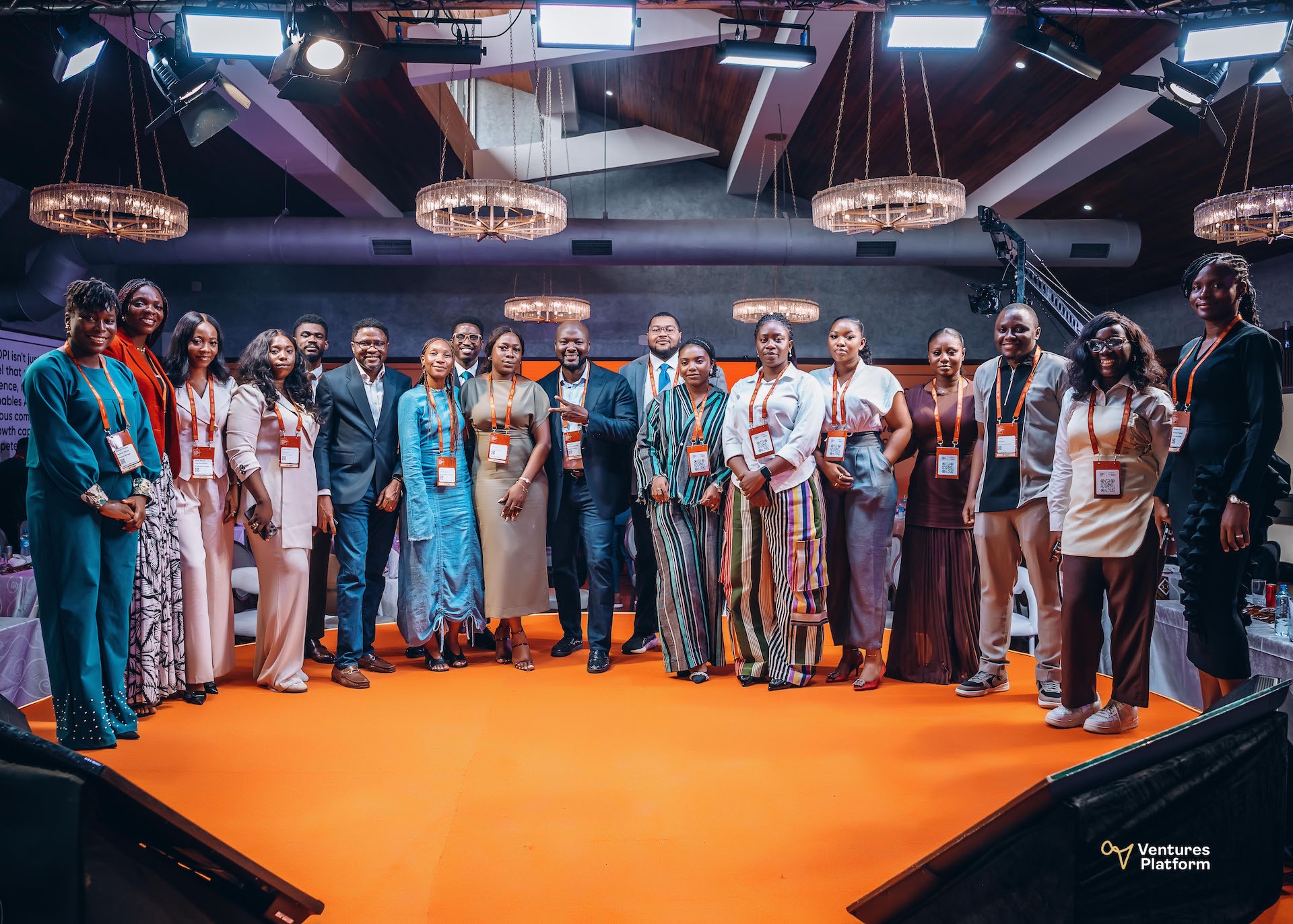
Slowly, APS shifted from a date on the calendar into a living project - shaped by intention, collaboration, and the belief that the right room can move an ecosystem forward.
Engineering the Atmosphere: Communications, Space and Tone
Once the guest and speaker list began to hold, communications moved from “save the date” to “this is what we’re trying to do together.”
The team put care into every touchpoint: targeted emails instead of generic blasts, and briefing notes so moderators and speakers didn’t have to improvise context.
Guests flying into Lagos received a logistics guide that actually tried to be useful: accommodation suggestions, transport details, and connectivity via the SOTEL eSIM by Termii, wrapped into regular email updates. Gift bags were curated with thoughtful contributions from portfolio companies; nothing extravagant, but intentional.
By the time guests walked into APS 2025, many already felt in rhythm with what the day was about. That was the point.
On the physical side, the design and events teams worked to make the space feel unmistakably African and forward-leaning, not generic “conference beige.”
The creative inspiration came from the African cockerel at dawn: a signal that it is time to rise, act and respond to the continent’s call. Colours, patterns and visual cues were drawn from that idea - warm, bold, and rooted.
- An immersive walkway that greeted guests with “Yes, Africa” energy
- Experience zones for informal photos and conversations
- Quiet meeting rooms for more serious partnership and deal conversations
- A main stage that visually reinforced the theme of participation and shared responsibility
Hospitality wrapped around everything: a check-in experience that whispered, “You’re in the right place,”; light breakfast and coffee that nudged people into new conversations; lunch that was genuinely enjoyed, after hours of intense conversations.
Very little of how APS 2025 felt was accidental.
The Welcome Reception
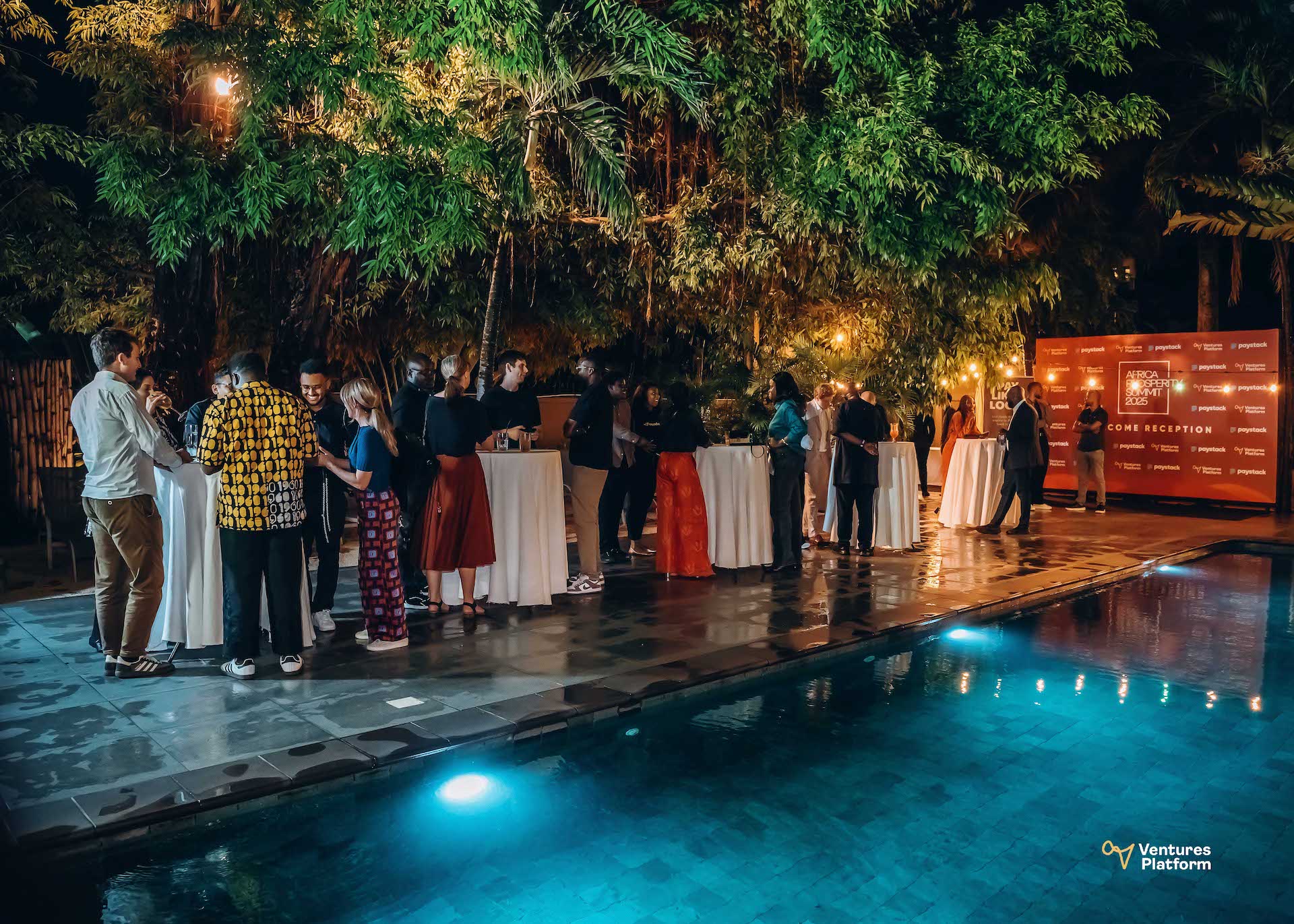
On the evening of November 12th, 2025, we opened this year’s Africa Prosperity Summit with a welcome reception at the Nordic Hotel. Guests from across Africa and beyond arrived with a quiet sense of anticipation and readiness for meaningful connection.
From 6:30 PM, conversations started easily as old peers reconnected and new introductions formed over cocktails, soft music, and light canapés. What began as a casual evening quickly became a warm mix of ideas and perspectives.
As guests left, there was a clear sense that the conversations begun that night would continue and deepen at the Summit the next day.
The Summit
Africa’s venture ecosystem has shown that capital follows compelling opportunities. The harder question now is what happens after the money is raised: where do returns, liquidity, and scale come from? This shaped the theme for APS 2025: “Growing the Pie: Building Pathways for Liquidity, Scale, and Enduring Returns.” The Summit explored how Africa can turn capital into sustained economic value through clearer liquidity pathways, disciplined company-building, aligned policy, and ecosystem collaboration.
APS 2025 convened over 250 leaders - fund managers, DFIs, family offices, corporates, founders, and entrepreneurs - from across Africa and beyond. On November 13th, participants joined keynotes, panels, fireside chats, roundtables, workshops, and 1:1 sessions featuring 33 speakers across venture, policy, and private enterprise.
Welcome Address: Growing the Pie: Building the Pathways for Liquidity, Scale, and Enduring Returns
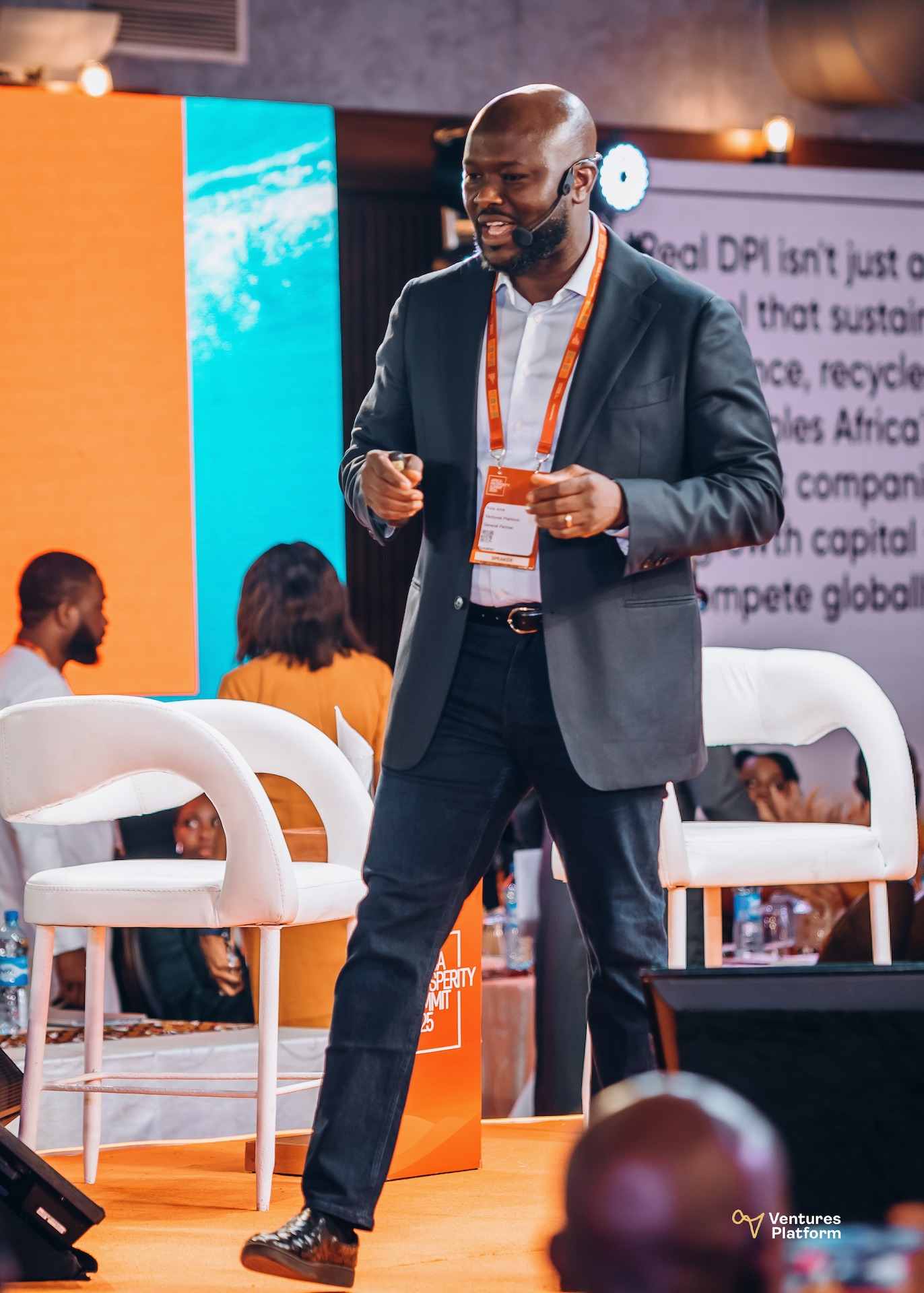
Before the first keynote, APS 2025 opened with a grounding reflection from our Founding Partner, Kola Aina, setting the tone for the conversations ahead. With candour and conviction, he raised the question that has long hovered over Africa’s venture ecosystem:
Where will the liquidity come from?
Drawing from personal stories, data, and the ecosystem’s trajectory since 2020, Kola highlighted the paradox at the heart of African venture: billions of dollars raised in startup funding and VC commitments, but only a fraction returned through exits. He challenged the room to confront the truth that participation grows when liquidity is visible and repeatable - not aspirational.
His reflections reminded attendees that the venture ecosystem sits at an inflection point. Africa is not short of innovation, founders, or ambition. It is short of engineered pathways: pathways to exits, to acquirers, to listings, to secondaries, to returns.He framed the liquidity gap - the distance between capital invested and capital returned - and invited the room to approach the Summit not as spectators but as architects of solutions.
Kola’s remarks also underscored a deeply human layer: the responsibility to build an ecosystem that delivers not just growth, but outcomes. In many ways, his address became the heartbeat of APS 2025 - a reminder that “growing the pie” is a mandate - and it set the tone for the conversations that followed
Opening Keynote: The State of the Market – The View from the Capital Stack
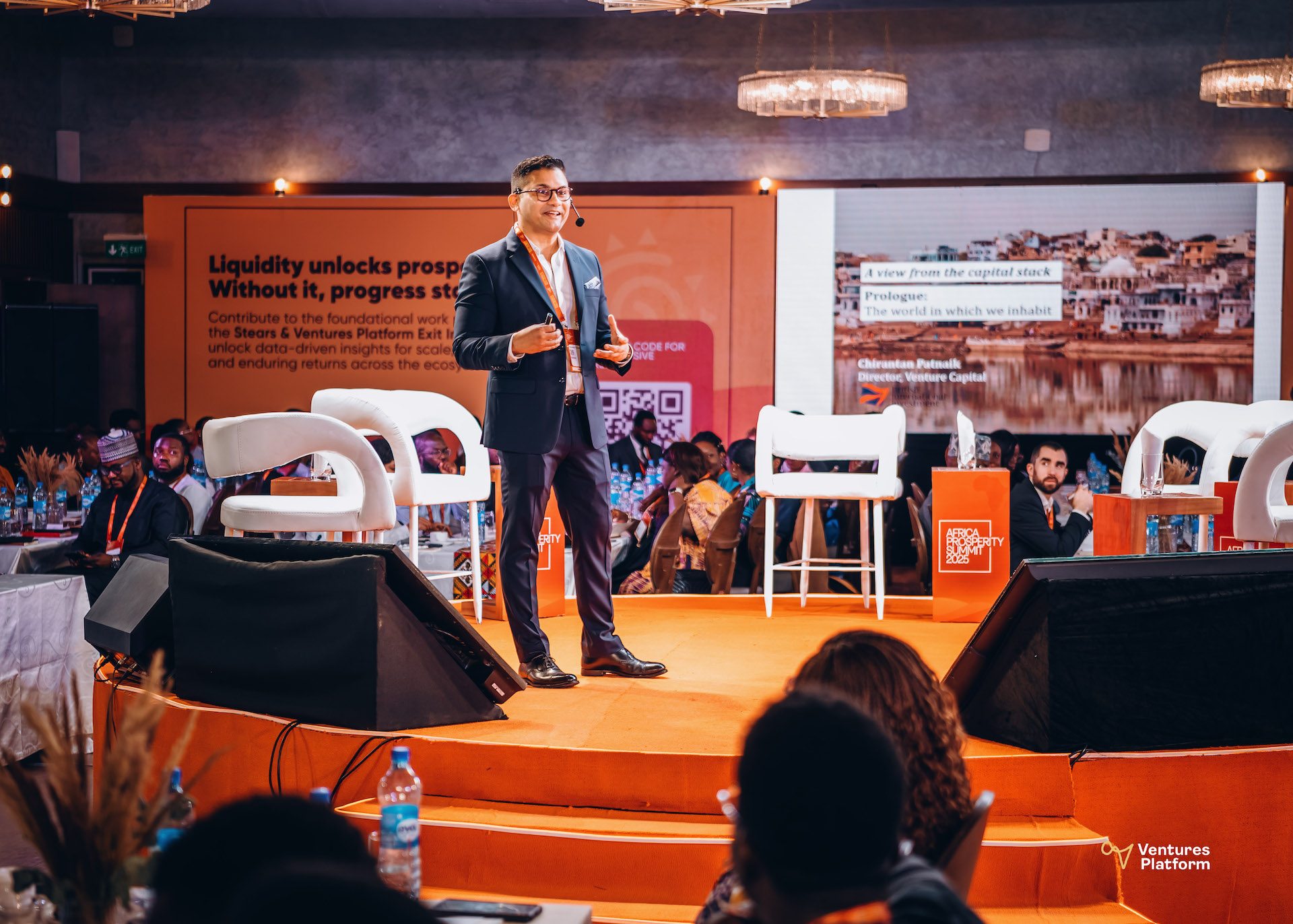
Delivering the first keynote, Chirantan Patnaik, Director of Venture Capital at British International Investment (BII), set a clear and grounded tone for the day. His address, “The State of the Market: The View from the Capital Stack,” offered a sober yet constructive lens on Africa’s venture opportunity by situating it within global capital flows, shifting LP expectations, and lessons from more mature ecosystems like India.
He reminded the room that venture remains a small and difficult asset class - returns are uneven, fund survival is not guaranteed, and the days of abundant capital are firmly behind us. With longer funding cycles, tighter diligence, and increased scrutiny, Africa will need disciplined capital use, realistic fund sizes, and stronger fund–market fit.
Drawing on global data and India’s experience, he highlighted three imperatives for Africa: build structured pathways to liquidity, deepen domestic capital participation, and focus on businesses that matter to real economies. His keynote closed with a call for LPs and GPs alike: to rethink structures, assumptions, and time horizons so that African venture can move from episodic wins to durable, compounding returns.
Dynamic Panel Sessions
The Summit’s panel discussions were designed to move the conversation from theory to practice, examining what it truly means to “grow the pie” through liquidity, alternative capital, and better market infrastructure.
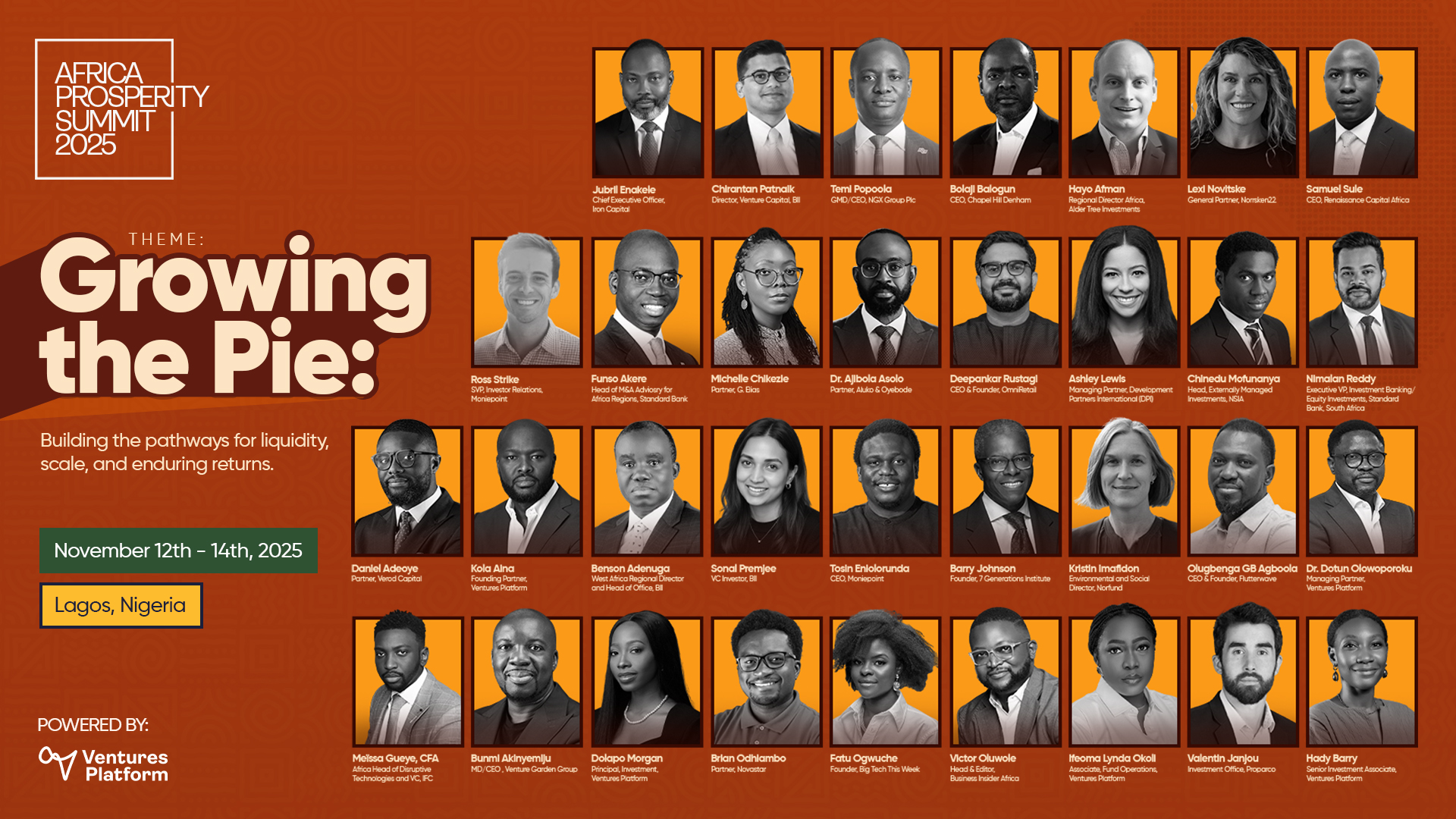
The first panel, “Liquidity as Leverage: Catalysing Exits to Sustain the Cycle,” brought together investors and operators including Brian Odhiambo (Novastar), Bunmi Akinyemiju (Venture Garden Group), Funso Akere (Standard Bank Group), Ross Strike (Moniepoint), and Daniel Adeoye (Verod Capital). Together, they unpacked why exits must become a discipline rather than a rare stroke of luck, exploring how building truly acquirable businesses, engineering secondary transactions, and engaging local pools of capital - especially pension funds - can turn paper gains into recycled capital and long-term participation.
A second panel, “Beyond Equity: Structuring Alternative Capital Pathways for Sustainable Growth,” expanded the conversation beyond traditional equity. Featuring voices such as Jubril Enakele (Iron Capital), Victor Oluwole (Business Insider Africa), Meissa Gueye (IFC), Samuel Sule (Renaissance Capital), and Lexi Novitske (Norrsken22), the discussion examined revenue-based finance, private credit, blended finance, and DFI instruments as complements or alternatives to equity. Panelists challenged founders to treat capital as a deliberate choice and invest in governance and data systems that make them eligible for a broader range of instruments.
The Policy & Capital Markets Forum: “What Regulators, Exchanges, and Investors Must Build for Africa’s Liquidity Future” brought regulators, market operators, and legal experts into the room, including Bolaji Balogun (Chapel Hill Denham), Temi Popoola (NGX Group), Michelle Chikezie (G. Elias), and Fatu Ogwuche (Big Tech This Week). This session explored how functioning secondary markets, stronger enforcement of governance standards, listed vehicles with longer-duration capital, and more seamless retail access can make African assets easier to price, buy, and exit. The forum reinforced that while market infrastructure exists, alignment in policy, incentives, and behaviour is key to enabling consistent liquidity for startups and scale-ups.
Collectively, these panels provided a layered view of Africa’s path to liquidity - linking company-level decisions, capital-structure innovation, and system-level reforms into a single, evolving conversation about how to build a venture ecosystem where liquidity, scale, and enduring returns can become the norm.
Side Panels & Breakout Rooms: Deepening the Conversation Beyond the Main Stage
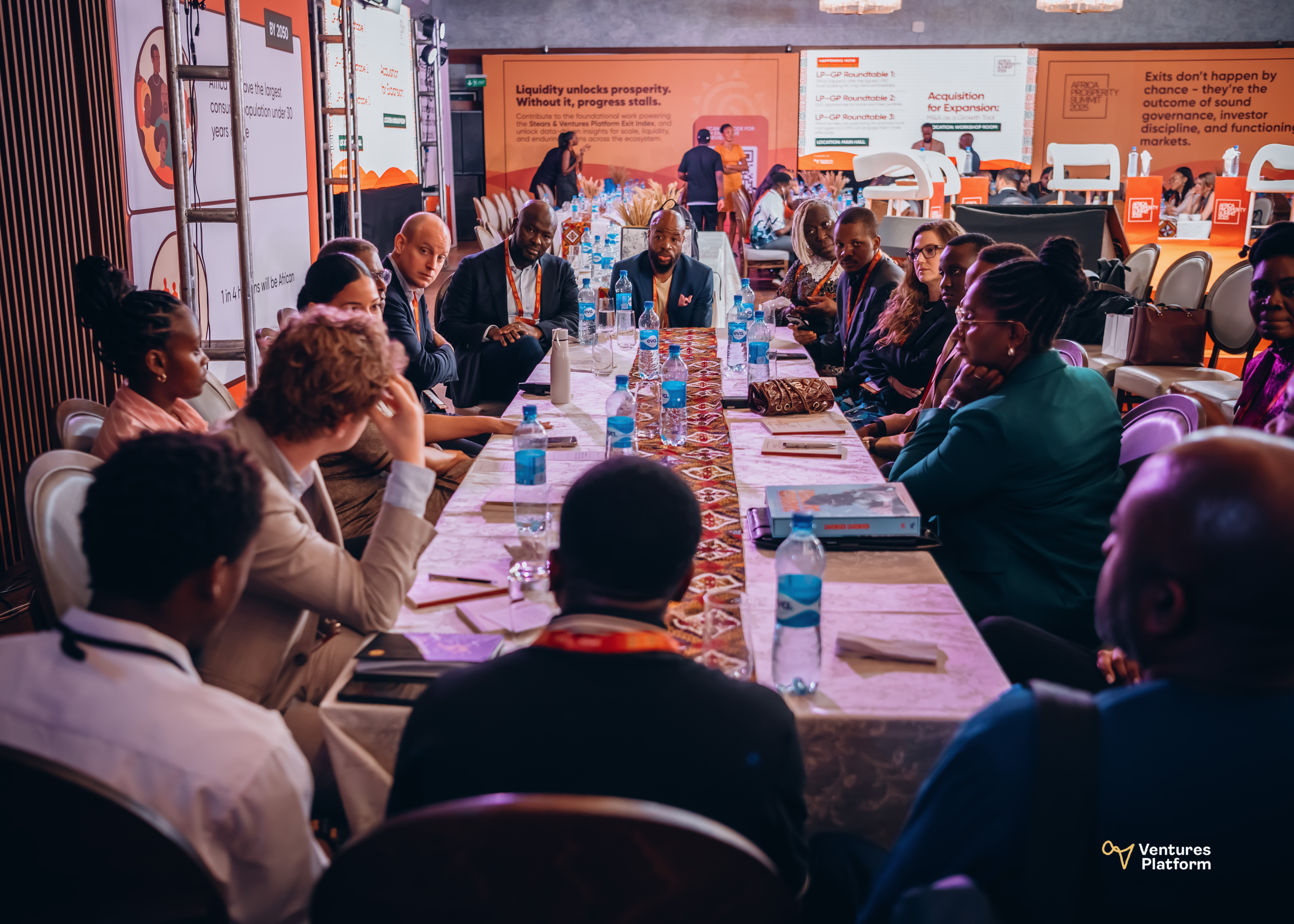
After lunch, attendees dispersed into four curated breakout rooms - intimate, practitioner-led sessions designed to translate the Summit’s macro themes into practical insights for fund managers, LPs, founders, and operators.
The first session, “Acquisition for Expansion: M&A as a Growth Tool,” brought together Dr. Ajibola Asolo (Aluko & Oyebode), Deepankar Rustagi (Omniretail), and Hady Barry (Ventures Platform) to demystify M&A as a deliberate and repeatable growth strategy. Beyond the headlines of acquisitions, the speakers discussed the operational realities - integrating teams, aligning cultures, navigating valuation gaps, and managing regulatory complexity. Their discussion affirmed that in a continent marked by fragmented markets, M&A remains a powerful tool for expansion.
In parallel, the first LP–GP roundtable, “What Happens After the Signed LPA?”, gathered Standard Bank’s Nimalan Reddy, NSIA’s Chinedu Mofunanya, Proparco’s Valentin Janjou, and BII’s Sonal Premjee, moderated by Ventures Platform’s Dolapo Morgan. Here, LPs spoke with refreshing candour about what sustains long-term LP-GP relationships: clarity of thesis, honest communication, rigorous governance, and the ability to articulate both successes and failures with equal transparency. It was a reminder that trust and alignment matter as much as performance.
The momentum continued in the ESG-focused roundtable, “ESG Approaches for Funds and Their Portfolio,” featuring IFC’s Meissa Gueye, Norfund’s Kristin Imafidon, BII’s Benson Adenuga, and Ventures Platform’s Ifeoma Okoli. The session reframed ESG from a compliance requirement to a genuine lever for value creation. Speakers highlighted proportional expectations for emerging managers, the importance of harmonised LP frameworks, and the operational and commercial benefits of robust ESG practices. There was consensus that Africa can define an ESG narrative rooted in resilience, inclusion, and innovation.
Rounding out the afternoon was a candid LP–GP dialogue on “What Family Offices Are Optimising for and How Fund Managers Can Engage Them More Effectively,” led by Barry Johnson (7 Generation Africa) and Ashley Lewis (DPI VC). This session unpacked how family offices think about risk, legacy, time horizons, and impact. Unlike institutional LPs, their flexibility allows them to back unconventional strategies, but they expect deep alignment, disciplined communication, and demonstrable pathways to long-term value. The discussion highlighted that for GPs, winning family office capital requires understanding multigenerational priorities, cultivating trust, and demonstrating a worldview compatible with patient growth.
Across all breakout rooms, one message echoed strongly: Africa’s investment future will not be shaped by capital alone, but by the quality of relationships, governance structures, and collaborative frameworks that enable capital to work intelligently.
1:1 Matching: Curated Connections That Drive Real Outcomes
After the impressive results from introducing 1:1 matching at APS 2024, we brought the strategic connection meetings back this year.
The 2025 edition once again paired founders, fund managers, and corporate partners for pre-matched, high-intent meetings held in the Deal Room from the 12th of November, through the main summit. Each meeting was curated based on declared interest, sector relevance, and stage fit, ensuring that every conversation had a clear purpose and a real chance of progressing.
We look forward to seeing the collaborations and capital commitments that emerge from this year’s matches.
Fireside Chat 1: Betting on Africa – The Global Investor Perspective
The first fireside chat featured Hayo Afman, Regional Director for Africa at Alder Tree Investments, in conversation with Damilola Teidi-Ayoola. Drawing on more than a decade of investing across the continent, Hayo offered a clear view of how global allocators see Africa today.
He noted that while Africa’s long-term drivers - demographics, digital adoption, urbanisation - have always been compelling, what makes this moment different is the ecosystem’s maturation. Local capital is growing, fund managers are more experienced, financing instruments have broadened, and founders are increasingly equipped to build for complex markets. Together, these shifts signal the early emergence of a more resilient venture market anchored in local capability.
He also stressed a hard truth: strong macro potential does not automatically create strong returns. Like India’s journey, Africa’s success will require patient capital, disciplined fund construction, and managers with deep contextual understanding - not just financial skill, but operational and ecosystem intelligence.
On exits, Hayo was pragmatic: great companies will exit, weaker companies will not. But encouragingly, secondary markets are beginning to open up, with more sophisticated buyers engaging earlier. These early patterns, he noted, are the foundations of liquidity norms Africa has long needed.
The conversation closed with two reflections on what Africa needs next: more early-stage local capital - especially the first $50,000 that gives founders room to get from zero to one - and stronger senior management talent willing to trade high salaries for meaningful upside. These, he said, are essential ingredients for Africa’s next decade of growth.
Fireside Chat 2: The Road to a Billion – Raising, Scaling, and Building Trust at Scale
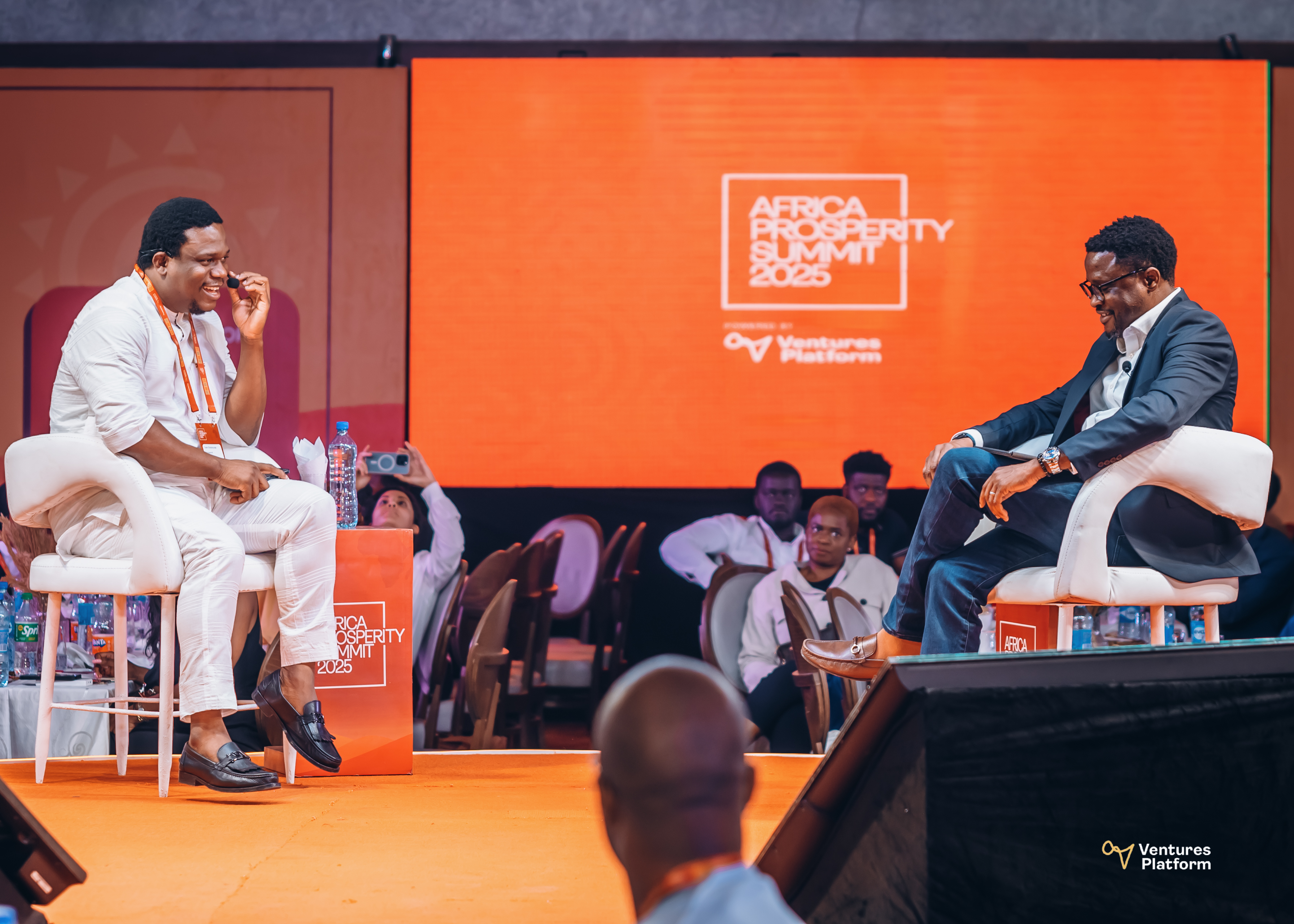
The second fireside chat, moderated by Dr. Dotun Olowoporoku, shifted the lens from ecosystem dynamics to the realities of scaling. Tosin Eniolorunda, CEO and Co-Founder of Moniepoint, shared a grounded view of what it takes to grow from idea to industry-defining company.
Tosin spoke about the founder’s evolution - from engineer to organisational leader - describing it not as a break from his technical roots but as an expansion of responsibility. Scaling, he noted, requires the ability to zoom in on details while also shaping culture, governance, and narrative at the highest level. “At some point, your story becomes a public asset,” he reminded the audience.
He reflected on the realities of cross-border growth, from managing multicultural teams to building credibility both locally and globally. His fundraising experiences during Nigeria’s volatile macroeconomic period reinforced a key insight: capital follows coherence - coherent numbers, coherent governance, and a coherent story.
Tosin also reflected on exits, calling them the ultimate expression of gratitude to those who backed a founder’s vision. Accepting capital, he reminded the founders in the room, comes with the responsibility to return it.
The session distilled a powerful message: Africa’s standout companies will be led by founders who pair resilience with discipline, and who are prepared to grow into the scale of the problems they choose to solve.
Landmark Launch: The SVL Platform Liquidity Index
A standout moment was the launch of the SVL Index by Stears - a first-of-its-kind initiative designed to close one of African venture’s most persistent gaps: clear, reliable liquidity data.
Built from anonymised exit records contributed by leading African VC funds, the Index offers a unified way to understand how (and how well) capital returns to investors across the continent. Rather than focusing solely on fundraising totals, the Index shifts the conversation to how liquidity is actually created, combining exit volume, buyer depth, fresh liquidity, and route diversification into a single, interpretable score.
Complementing the Index is a public interactive dashboard, enabling investors to explore a decade of exit activity by sector, region, buyer type, and fund manager. Together, they offer the ecosystem a long-needed, transparent benchmark for assessing liquidity and planning future exits.
The SVL Index marks a meaningful step toward a more evidence-driven, mature VC market in Africa.
Access the dashboard via the link.
As the day’s sessions ended, guests moved into an evening focused on connection. The foyer became a relaxed social lounge with soft lighting, curated music, and a calm contrast to the day’s intensity. Over signature cocktails and light hors d’oeuvres, conversations flowed easily - founders reconnecting with investors, LPs continuing earlier discussions, and ecosystem leaders reflecting on shared progress.
The atmosphere carried a clear sense of momentum, as ideas from the day began turning into new opportunities. By the end of the evening, APS 2025 had not only convened the community - it had strengthened the relationships and optimism that will help shape the continent’s next decade.
The Ecosystem & Cultural Tour
To close APS 2025, we hosted our signature Ecosystem & Cultural Tour - an immersive blend of market insight and cultural discovery.
The day began with a deep dive into perhaps one of the most pressing questions in Nigeria’s capital markets: Why aren’t our startups listing locally? Our first stop was the launch of TLP Advisory’s new report, “Rethinking Funding & Exits: Nigeria’s Missing IPOs and the NGX.”
In a session anchored by the host (TLP Advisory), guests explored the structural and policy constraints that have kept Nigeria’s most dynamic companies from the Nigerian Exchange, and examined bold recommendations to strengthen exit pathways. The report set a powerful tone for the day: Africa’s liquidity future must be designed, not awaited.
Meanwhile, a second delegation joined the 7GI Pan-Africa Family Office Engagement Series, where our Founding Partner, Kola Aina, sat in conversation with Sarah Stephen, Executive Director at 7GI. Their fireside chat - “Why Family Offices Matter Now” - illuminated the rising importance of African family offices in unlocking liquidity, stabilising the capital continuum, and recycling wealth across generations.
Toward noon, the tour shifted to its cultural arc with a visit to the Afro Rebellion Centre, a space dedicated to the life and legacy of Fela Anikulapo Kuti. Guests explored his music, activism, and personal history, gaining a vivid sense of the cultural and political currents that shaped his influence. The final stop was Nahous Lagos, a multidisciplinary art space at the Federal Palace Hotel. Surrounded by contemporary works, guests enjoyed an unhurried exploration of Nigeria’s creative landscape before gathering for a relaxed lunch - a moment of warmth and easy camaraderie that extended the spirit of APS.
By the end of the tour, one sentiment echoed among participants: APS 2025 was more than a summit - it was a full experience.
What APS 2025 Taught Us
When the lights dimmed on the final day, the biggest takeaway wasn’t about the panels - it was about the pathways. APS 2025 reaffirmed what has become increasingly clear: Africa doesn’t lack potential - it needs more structured, deliberate pathways to catalyse liquidity. That is what we set out to build this year - not perfectly, but intentionally.
Where We Go From Here
As the summit came to a close and the last set of guests who had travelled from far, left Lagos, the feeling in our team was a quiet, settled pride - not because APS was polished, but because it was purposeful.
We set out to create a Summit that wasn’t performative, but catalytic. One that didn’t just talk about liquidity, but made it feel achievable. One that didn’t just gather the ecosystem, but aligned it.
If the future of Africa’s prosperity depends on our ability to build these pathways, APS 2025 was a step toward that collective future.
Author

Ventures Platform
