.png)
.svg)
.png)

Every month we share our insights on relevant industry trends, resources to support founders, exclusive interviews and top news from our portfolio.
From Local Insight to Global Scale: The Tanel – Alan Story
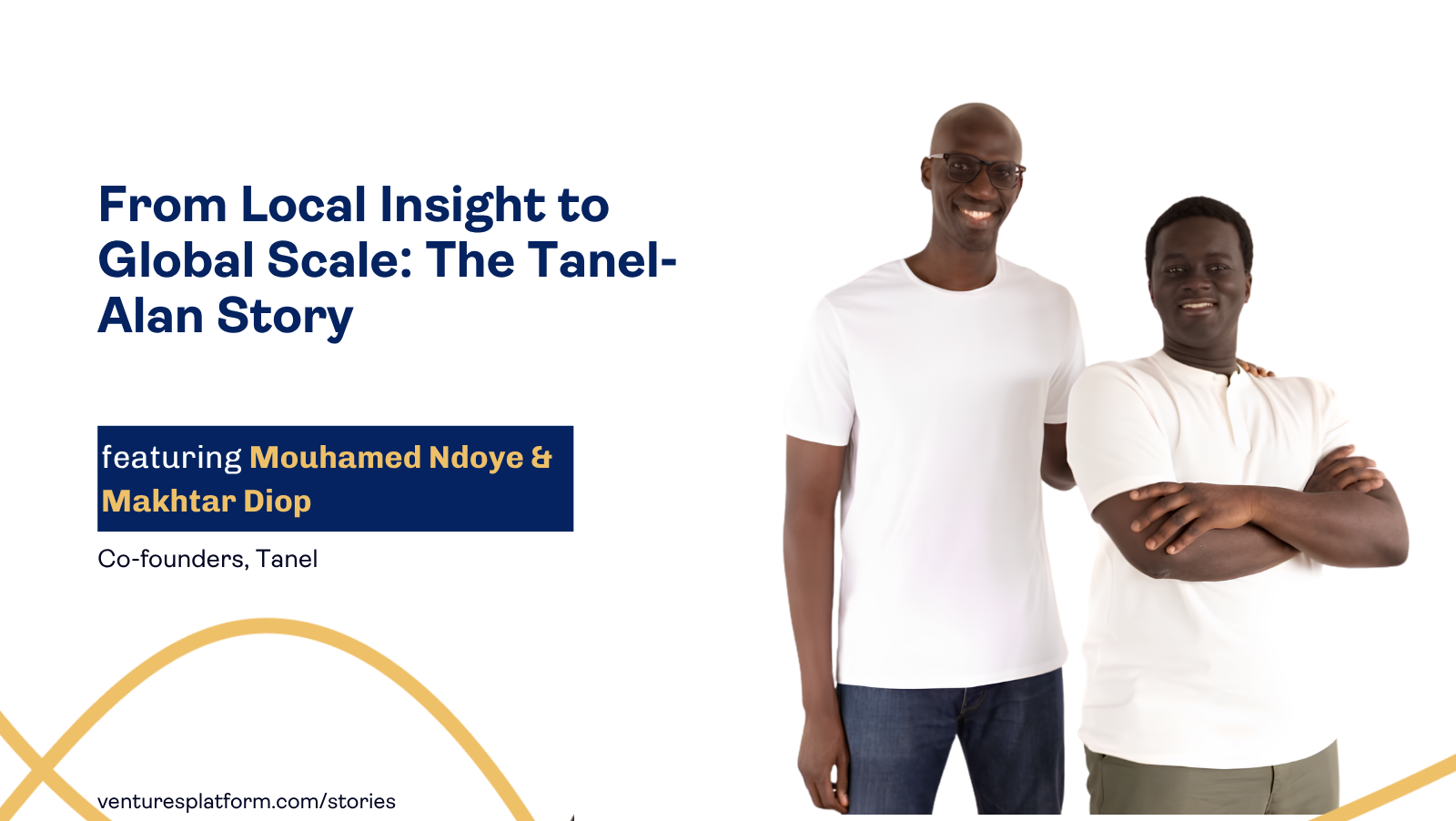
Our portfolio company, Tanel has been acquired by global prevention insurance company, Alan, marking a significant milestone for the business and a new chapter for its co-founders, Mouhamed Ndoye and Makhtar Diop.
Tanel was launched in 2021 to address the challenge of managing employee health coverage through fragmented, largely paper-based systems. Ventures Platform backed the company early, driven by our belief in the founders’ vision to build the right technology around the realities of the markets they were operating in. Today, Tanel provides businesses with digital tools to manage employee health coverage while giving employees and individuals simpler access to care and greater visibility over their coverage. Operating across Senegal and Côte d’Ivoire, the company serves approximately 70,000 members across more than 400 companies and connects users to a network of over 1,200 pharmacies and healthcare providers.
To mark the acquisition, we spoke with Mouhamed and Makhtar about the five-year journey that brought Tanel to this point. They reflect on distinguishing market signals from noise , staying anchored to their mission as the company evolved, recognising when joining forces with a larger company could accelerate that mission, and what building for longevity looks like in a market with no established playbook.
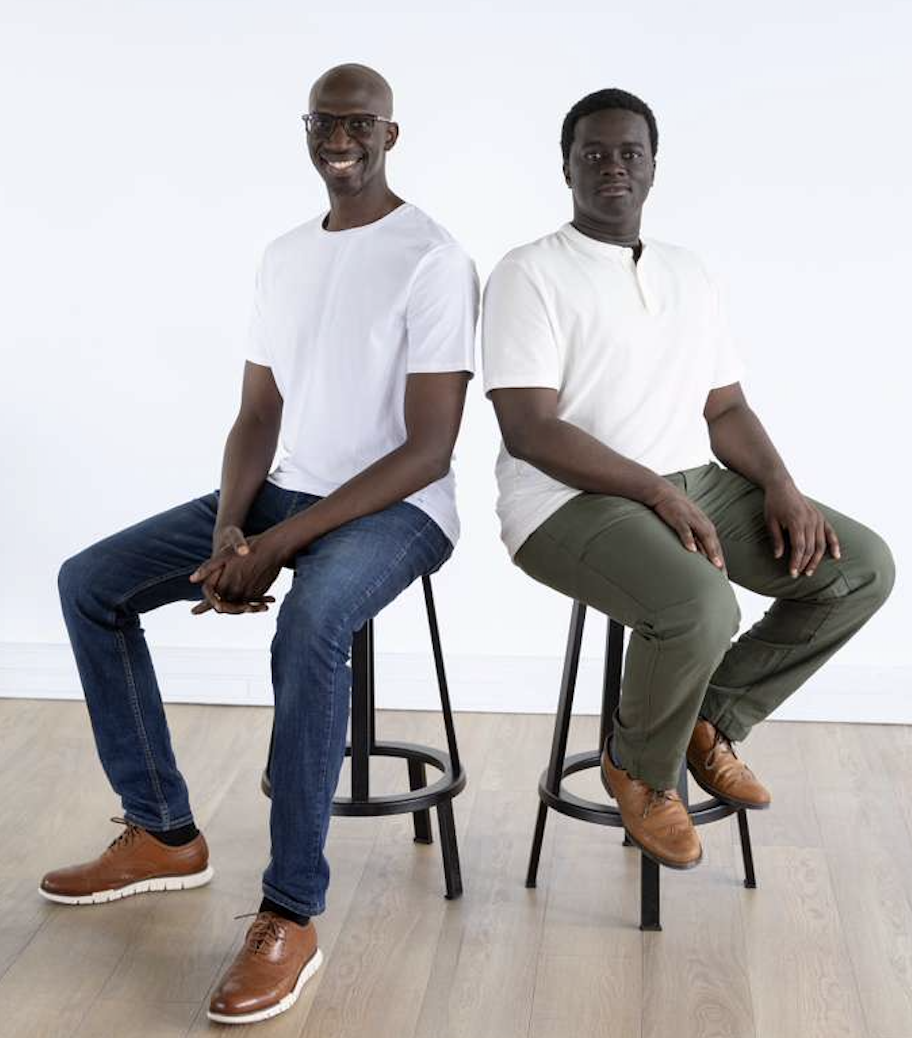
1. You chose to build Tanel from Senegal, in a sector as complex as healthcare and across markets that don't always receive the same attention as Anglophone Africa. How did being close to the market shape your understanding of the problems worth solving, and influence the way you chose to build for them?
Mo & Makhtar: Being close to the market was critical to our success, but not in the way people might expect. Yes, we learned from what was happening in Anglophone Africa: Kenya, Nigeria, South Africa, where the health tech ecosystem is more mature. But proximity to Senegal taught us something more valuable. The specific constraints of Francophone African markets.
We saw firsthand why certain solutions worked elsewhere and failed here. We understood that trust wasn't built through marketing, but through relationships. We learned that digital payment adoption was slower, so we had to design differently. We saw that informal employment was the norm, not the exception, which shaped how we thought about employee benefits from day one.
But here's what being on the ground really gave us: humility. We couldn't pretend to know the market from a spreadsheet or a quarterly visit. We had to sit in hot offices with broken fans and actually understand what pharmacy owners needed, what employers faced, what patients could afford. That closeness forced us to build something real, not something theoretical.
2. Tanel evolved significantly from where it began. Looking back, how did you distinguish between a signal that the market was asking you to change and the noise that every young company encounters? What did you refuse to compromise on as you evolved?
Mo & Makhtar: We tried five different business models: primary care, prescription delivery, pharmacy software, non-pharmaceutical distribution, and finally employee health benefits. Each one felt like the answer at the time. Each one failed in ways that taught us something crucial.
The signal versus noise distinction came down to one thing: unit economics. When our pharmacy software business wasn't working, we had data. When prescription delivery didn't scale, the numbers told us why. We refused to ignore the math, even when the story was compelling.
What we truly refused to compromise on was the mission itself: making healthcare access simple and affordable in Africa. We could change the product, the model, the customer. But we couldn't compromise on unit economics because that determined whether the solution was actually scalable or just a subsidy masquerading as a business.
The breakthrough came when we realized: employers don't just need health coverage, they need partners who keep their employees and their families healthy.
Every pivot was painful, but each one was non-negotiable. We either changed or we died.
3. What did building Tanel teach you about creating infrastructure in markets where the systems around you are still being built?
Mo & Makhtar: We saw it as a blank canvas, which sounds romantic until you realize there are no guardrails. No playbook. No precedent.
The reason certain healthcare opportunities stay untouched in emerging markets isn't because they're impossible. It's because they require patience, capital, and focus. Three things most startups don't have. A pharmacy software company can fail in 18 months and pivot. Building healthcare infrastructure can take 5 years before you see traction.
What we learned the hard way is that you can't optimize for speed in healthcare. You have to optimize for trust. That meant:
- Regulators in Senegal had never seen a company like us. We had to educate them, not fight them.
- Employers thought health insurance was a commodity. We had to show them it could be strategic.
- Patients had been burned before. We had to consistently deliver, not just promise.
We were grateful for patient investors and customers who let us build the core product without demanding revenue targets every quarter. That patience created space for relationships to form, trust to build, and systems to evolve.
The key insight: you're not just building a company, you're building infrastructure that the market didn't know it needed.
4. Alan first invested in Tanel in 2024. As the relationship developed, when did you begin to see that joining forces could accelerate what you were building? What made Alan the right partner, and what did you want to preserve as you considered this next chapter?
Mo & Makhtar: We didn't consciously think "we're building for acquisition." That would have been a mistake. We were building to solve a problem. But by 2023, something shifted.
Alan invested in us during our seed round in 2024 and every conversation reinforced the same insight: Alan had evolved from being a traditional health insurer into something more interesting. A health prevention company. That aligned perfectly with what we were trying to do.
What changed in our thinking: we realized we didn't need to do everything ourselves. Alan had distribution, capital, regulatory relationships, and technology infrastructure. What they needed was our understanding of African markets and our proven ability to build health insurance products that work in emerging markets.
This realization changed which problems we focused on. We doubled down on product-market fit in Senegal and Côte d'Ivoire. We didn't try to expand to 15 countries simultaneously. We didn't try to build every possible health service. We focused.
What didn't change: our commitment to unit economics, to our mission, and to understanding our customer deeply. Those weren't compromises we made for Alan. Those were the foundation of why Alan was interested in the first place.
The decision to partner with Alan wasn't about giving up control. It was about recognizing that building healthcare infrastructure at scale requires resources and networks that a startup, however great, can't build alone.
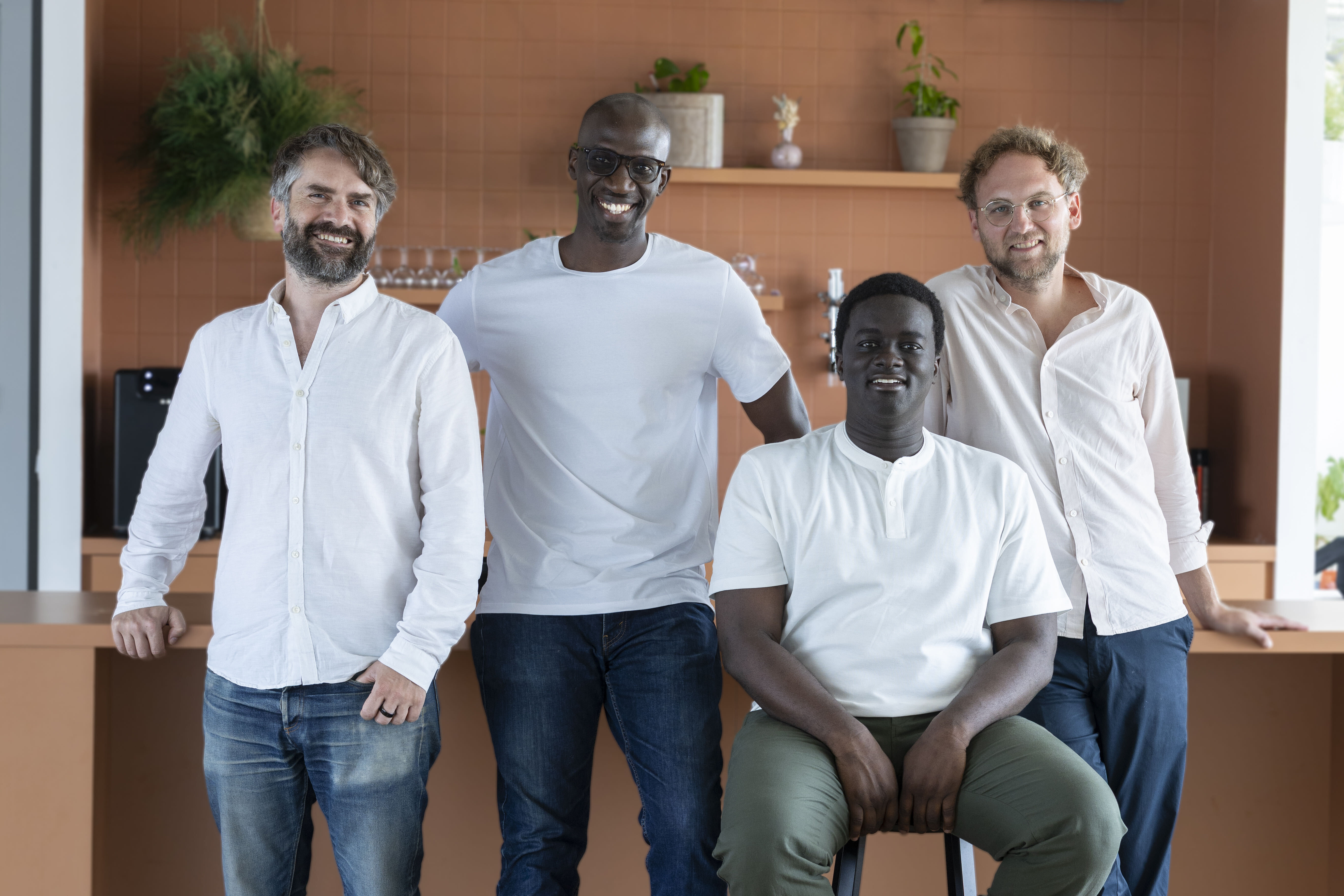
5. Now that Tanel is entering a new chapter with Alan, what do you understand about building for longevity that you didn't understand when you started, and what would you tell an African founder who wants to build something that can eventually create options beyond a fundraising round?
Mo & Makhtar: When we started Tanel, we thought longevity was about having the best idea and executing it perfectly. We learned it's about something more fundamental: refusing to die and staying curious.
In our first five years, we faced moments where Tanel probably should have shut down. The pharmacy software business wasn't working. Distribution was hard. Fundraising was exhausting. But we kept going. Not because we were stubborn, but because every failure taught us something.
We'd tell African founders three things:
First: Patience compounds more than most people realize. People overestimate what they can build in one year and underestimate what they can build in ten years. We spent three years on business models that didn't work. Those years felt like failure. But they created the foundation for the models that did.
Second: Never let your company die. There's a difference between a company that's struggling and a company that's dead. A struggling company can pivot, adapt, and find traction. A dead company can't. We chose to stay alive even when we didn't know what we were doing.
Third: Send monthly investor updates. As a founder, you need to have something keeping you accountable and we found that the monthly investor update was what we needed to fulfill that need while also giving us an opportunity to write about the very business we were building.
Our integration with Alan is still early, but long-term building requires three things: patience (don't rush), focus (don't try to do everything), and resources (you need capital and talent). For African founders, the addition is this: stay curious. When we started, we genuinely didn't know what we were doing. We still don't. But that curiosity, that willingness to learn, to talk to customers, to let the market teach us, that's what kept us building.
Build something real. It might take longer than you expect. But it creates options.
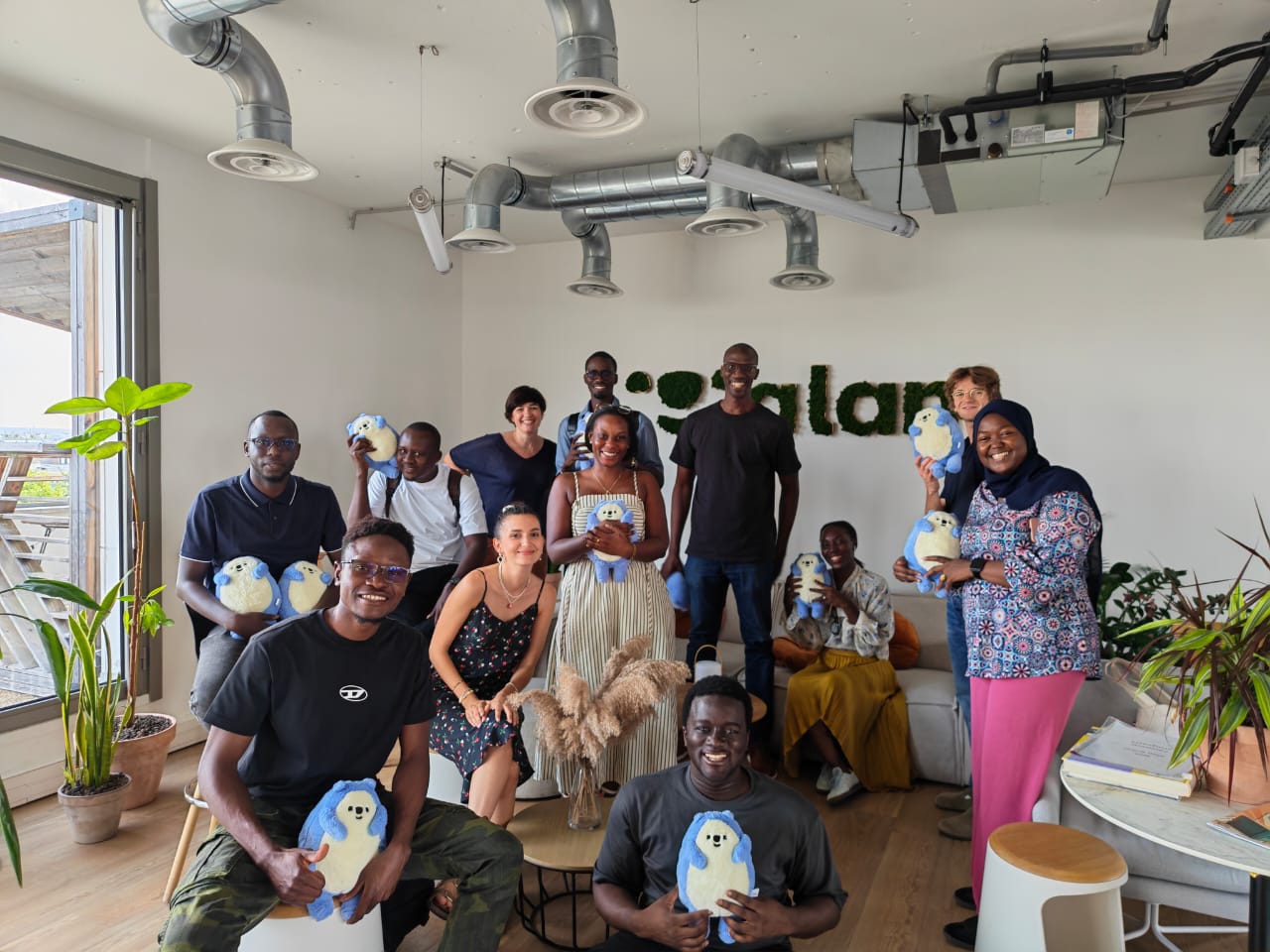
About Tanel
Founded in 2021, Tanel is a digital health company operating in Senegal and Côte d’Ivoire. The company provides businesses, their employees and individuals with digital access to health coverage and care. The platform digitises coverage administration and the patient journey, including benefit tracking and access to pharmacies and healthcare providers. Tanel currently covers approximately 70,000 lives across more than 400 companies and connects users to a network of more than 1,200 pharmacies and healthcare providers. After starting with pharmacy management software, the company now aims to expand the digital infrastructure needed to make healthcare more affordable and accessible across Africa.
The Alan-Tanel acquisition was featured in the Financial Times. You can read the story here - https://www.ft.com/content/c4cc661e-cb38-4d40-9d34-950c22e02301?syn-25a6b1a6=1
Author

Ventures Platform
